More than a third of the city's water is disappearing through burst and ageing pipes, driving wealthier residents off-grid onto boreholes and starving the utility of the revenue it needs to fix the network.
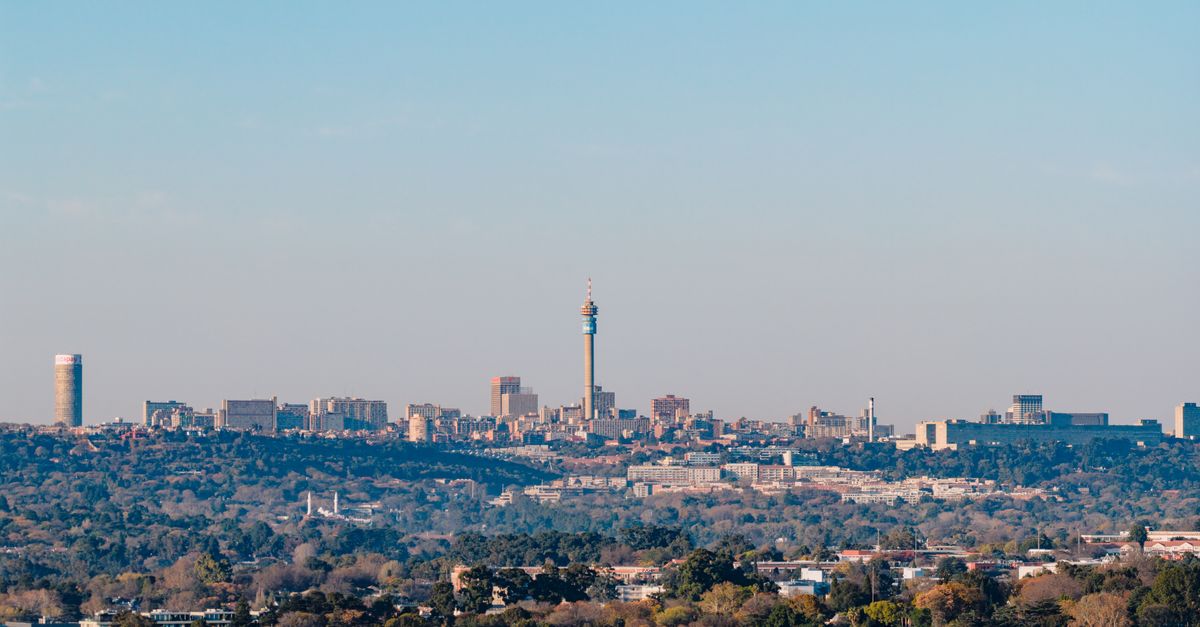
Johannesburg is haemorrhaging more than a third of its water supply — an estimated 655 million litres a day — through burst and leaking pipes, while Gauteng reservoir levels have again been reported to be dropping.
Johannesburg Water acknowledges the scale of the problem. "The infrastructure is old. A lot of it is more than 50 years old," the utility's senior manager for innovation and technology, Zakhele Khuzwayo, said. "The city are aware of the limitations. We know where we'd like to be … Now it's a matter of paving the way to get there." Asked about individual cut-off cases, he said simply: "We're overwhelmed, to be honest."
In Hillbrow, residents of blocks that have been dry for years queue at municipal tankers. A 17-year-old student, Thandani Masangu, described spending three hours wheeling empty containers on a trolley through the neighbourhood looking for water. "I feel really broken," he said.
Researchers place the blame squarely on deferred maintenance. "Maintenance is not sexy. It's always more interesting to allocate funds to other areas," said Professor Craig Sheridan of the Centre in Water Research and Development at Wits, who compiled the data on the city's losses. "This is not only evident in our water … we see it in all our public infrastructure."
The political cost is compounding. Wealthier suburban households are drilling boreholes and installing solar, bypassing the municipality entirely and removing from the revenue base precisely the payments that would fund repairs. Every household that goes off-grid makes the next repair harder to finance.
The Provincial Task Team has directed that non-revenue water be treated as a standing item at every regional executive meeting until the election, and that branches log visible leaks in their wards and escalate them within 48 hours.
"Our people do not experience government in the abstract," a PTT member said. "They experience it at the tap. If the tap is dry, nothing else we say is heard."